Performance and belonging: Rio de Janeiro’s ballroom scene
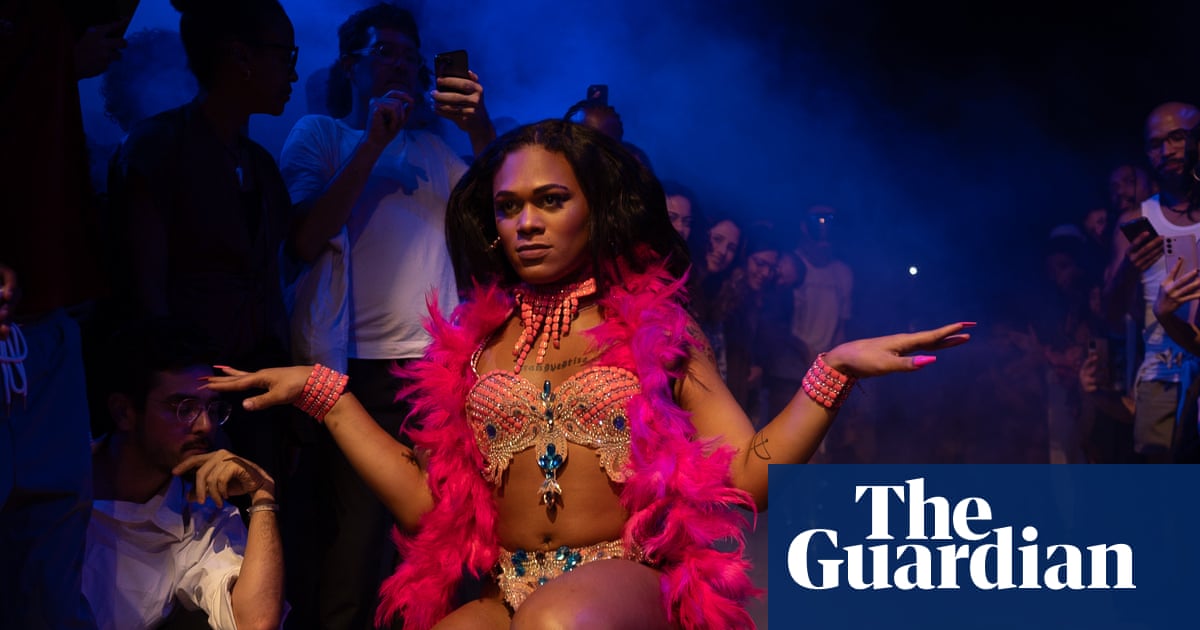
A look at the ballroom scene across Maré, Lapa, Gamboa and the city centre. The photographer Juliana Bizzo has documented a movement born from Black and Latinx LGBTQ+ communities in the US that has more recently evolved in Rio, growing from the city’s first ball in 2016
TL;DR
- Rio de Janeiro's ballroom scene began organizing around 2015-2016, with Conferência das Bruxas in May 2016 recognized as the first ball.
- The culture originated in New York with Black and Latinx LGBTQ+ people as a response to racism and exclusion in drag pageants.
- Participants compete in balls in categories including dance, fashion, performance, and gender expression, organized into houses (chosen families).
- The Rio scene incorporates elements of funk, carnival, city peripheries, and local political struggles.
- Names and titles like Mother, Father, Prince, Princess, Legendary, and '007' denote belonging and status within houses and the scene.
- The ballroom scene in Rio is expanding into larger venues and other parts of the city, while still maintaining connections to its roots in neighborhoods like Maré.
- Photographer Juliana Bizzo documents the scene, focusing on the energy, belonging, and the everyday lives of participants beyond the runway.
- Projects like Sustenta Carnaval repurpose discarded carnival costumes, and initiatives like Ballroom na Maré create spaces for the culture within local communities.