‘I fight pain and fear with art’: how Yayoi Kusama blazed a trail for neurodivergent artists
The pioneering Japanese artist talked openly about how her mental health and neurodivergence informed her creativity, paving the way for the likes of Turner prize winner Nnena Kalu
TL;DR
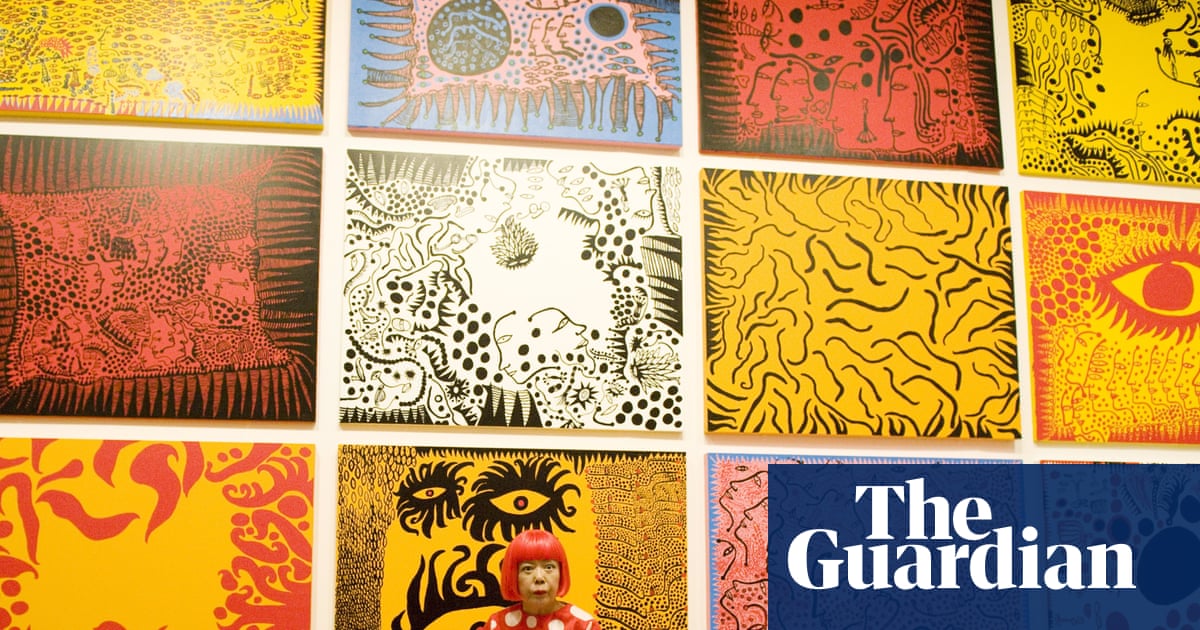
- Yayoi Kusama experienced vivid hallucinations from a young age, which became a central theme in her art, particularly her signature dots.
- She viewed art creation as a method of survival, helping her cope with pain, anxiety, and fear.
- Kusama was a pioneering figure in the New York avant-garde and influenced the pop art movement.
- Her work has inspired a broader acceptance of neurodivergence and diverse ways of seeing within the art world.
- The article draws parallels between Kusama's experiences and those of other neurodivergent artists, such as Nnena Kalu and Louis Wain.
- Kusama voluntarily admitted herself to a mental health facility and continued to create art, channeling her compulsions into her signature style.
- Her infinity rooms installations are noted for turning sensory overload into a magical experience.
- The article emphasizes that while mental illness and neurodivergence can have parallels, they are not always the same, cautioning against oversimplification.
- Kusama stated that art saved her life, suggesting she would have ended it otherwise.
- Her legacy highlights the magnificence of human perception and experience, advocating for the recognition of neurodivergent artists despite ongoing barriers.