What we know about the link between Nepal’s flash floods and our climate crisis
In this week’s newsletter: The full scale of the disaster is still emerging, but as rescue efforts continue, scientists warn that a warming Himalayas could mean more deadly hazards
TL;DR
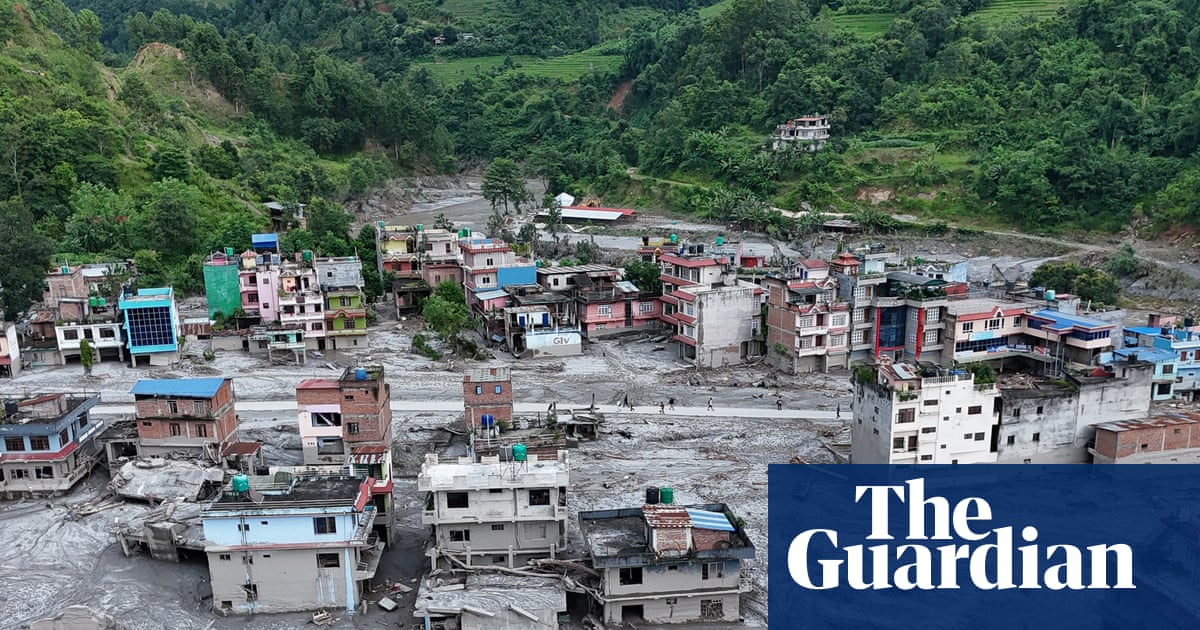
- A landslide in Nepal's Langtang national park led to devastating flash floods, sweeping away homes, roads, and power plants.
- The disaster resulted in approximately 1,000 deaths and over 4,400 missing people on both sides of the Nepal-Tibet border.
- Nepali Prime Minister Balendra Shah highlighted the increasing risks in the Himalayan region due to climate change.
- The Himalayas are warming twice as fast as the global average, increasing the risk of avalanches, landslides, and floods.
- Scientists explain that rising temperatures lead to melting permafrost and destabilized mountain slopes, potentially causing landslides and glacial lake outburst floods (GLOFs).
- While this landslide was not a GLOF, Nepal has over 2,000 glacial lakes, with 21 considered potentially dangerous.
- There is a need for early warning systems and international monitoring efforts to mitigate risks in mountainous regions.