health
What caused the catastrophic flash flood in Nepal and Tibet
Did a massive glacial collapse in the Himalayas trigger the disaster and is climate change involved?
TL;DR
- Flash floods in the Nepal-Tibet border region on Wednesday resulted in scores dead and over 1,000 missing.
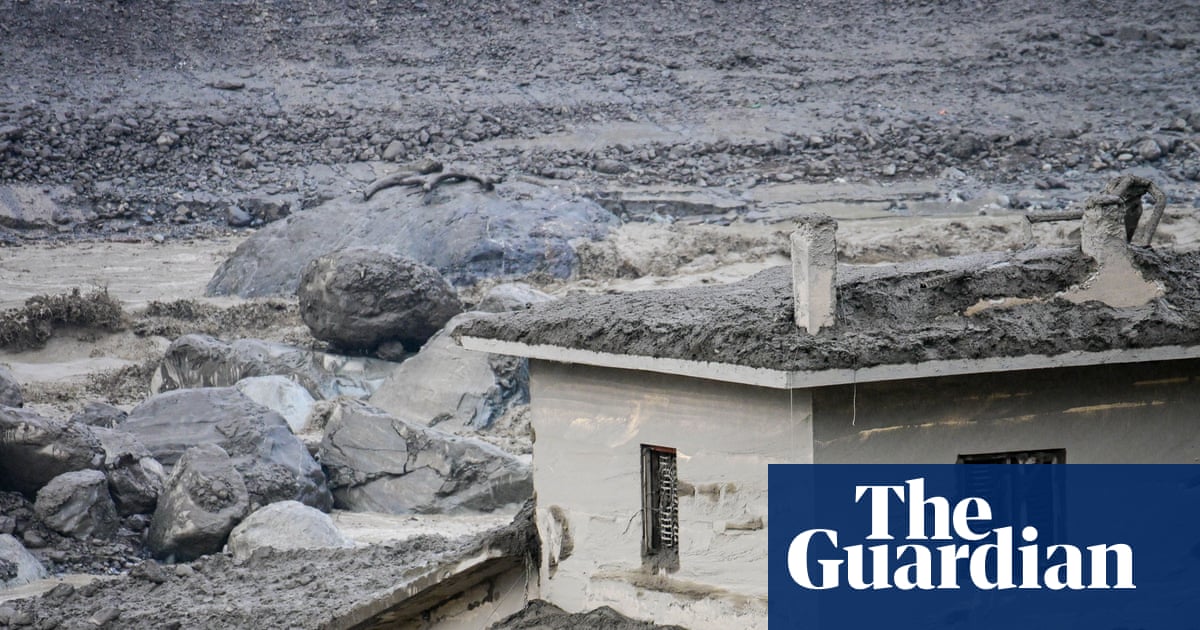
- The disaster was caused by a landslide of ice and rock that led to a torrent of mud, water, and debris bursting the banks of the Trishuli river.
- Homes, roads, bridges, and power plants were swept away.
- In Nepal, 403 people are missing, including 341 foreigners.
- In Tibet, at least three people were killed and 265 are missing.
- Water levels on the Trishuli river rose by as much as nine meters in half an hour.
- Initial reports suggested an earthquake triggered a landslide, but the US Geological Survey confirmed a glacial collapse and debris flow as the cause, registering as a magnitude 5.2 seismic event.
- A 0.2 sq km chunk of ice collapsed about 1.2km vertically from a glacier.
- Increased warming in the Himalayas, which are warming twice as fast as the global average, is leading to rapid glacier melt and permafrost degradation, increasing the risk of avalanches, landslides, and floods.
- Nepal's mountains have lost close to one-third of their ice in just over 30 years due to global warming.
- The region faces risks from glacial lake outburst floods, where glacial lakes form behind natural dams and can cause catastrophic floods if the dams breach.